What is Personal Growth

Personal Growth areas
1. Emotional Growth
- Self-awareness: Understanding your emotions, triggers, and behaviors is a huge part of emotional growth. It’s about recognizing how you feel in different situations and why, allowing you to respond more thoughtfully.
- Emotional regulation: Learning how to manage emotions like anger, frustration, and sadness so that they don’t control your actions. This involves building emotional resilience.
- Empathy and Compassion: Developing the ability to understand and share the feelings of others, and practicing kindness and empathy in relationships.
2. Mental Growth
- Learning and Education: Constantly challenging your mind by acquiring new knowledge or skills. This could involve formal education, self-study, reading, or engaging in activities that push you out of your comfort zone.
- Critical Thinking: Cultivating the ability to analyze situations objectively, evaluate information, and make informed decisions.
- Problem-Solving: Developing better strategies for tackling challenges and finding creative solutions, whether in personal life or work.
3. Spiritual Growth
- Purpose and Meaning: Exploring your deeper sense of purpose in life, whether through religion, spirituality, or personal reflection. This often involves questions about why you’re here and what impact you want to make in the world.
- Mindfulness and Presence: Practicing mindfulness, meditation, or other techniques that help you live in the moment and connect with something greater than yourself.
- Gratitude and Acceptance: Learning to appreciate the present, even in difficult circumstances, and letting go of resistance to what you cannot control.
4. Physical Growth
- Health and Fitness: Taking care of your body through regular exercise, healthy eating, and adequate rest. Physical well-being plays a key role in supporting overall personal growth.
- Self-care: Establishing routines that nourish both your body and mind, including sleep hygiene, skincare, and relaxation practices like yoga or baths.
- Energy and Vitality: Finding ways to improve your energy levels and maintain a sense of vitality through holistic practices like nutrition, physical movement, and stress management.
5. Social Growth
- Building Relationships: Cultivating meaningful relationships with family, friends, colleagues, and new people. This involves developing communication skills, trust, and healthy boundaries.
- Networking and Community: Expanding your social circle and surrounding yourself with people who inspire you, challenge you, and help you grow.
- Collaboration: Learning how to work effectively in teams, both professionally and personally, and honing your ability to listen, share, and collaborate.
6. Professional Growth
- Career Development: Pursuing goals that align with your passions, honing your skills, and continuously seeking opportunities for advancement or new learning in your professional life.
- Time Management and Productivity: Developing strategies for staying organized, setting goals, and maximizing productivity in both work and personal life.
- Leadership and Influence: Learning how to lead with integrity, communicate effectively, and inspire others toward a shared vision or purpose.
7. Overcoming Limiting Beliefs
- Self-Confidence: Working on building trust in yourself and your abilities, letting go of self-doubt, and embracing your unique strengths.
- Fear and Courage: Identifying fears or insecurities that hold you back, and consciously stepping out of your comfort zone to take risks and grow.
- Forgiveness and Letting Go: Releasing past hurts, regrets, and limiting beliefs that may be keeping you stuck, and learning to forgive both yourself and others.
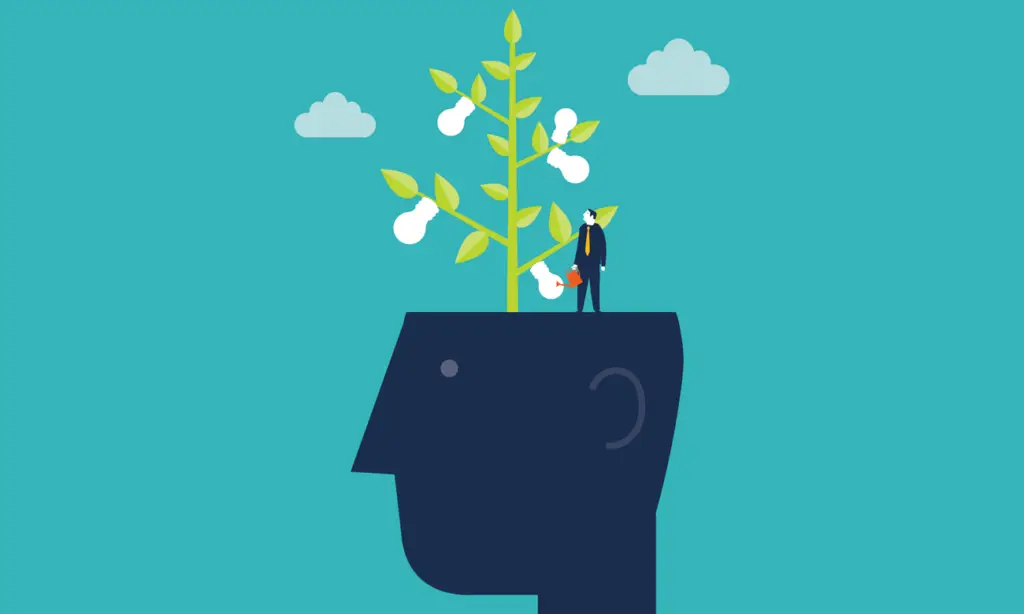
Steps for Personal Growth
🔑 Self-reflection: Regularly take time to reflect on your life, actions, and goals. Journaling, meditation, and mindfulness can help you connect with your inner thoughts.
🔑 Setting Goals: Clearly define what you want to achieve in different areas of your life (health, relationships, career, etc.), and break those goals down into actionable steps.
🔑 Continuous Learning: Commit to lifelong learning—whether it’s through reading, courses, workshops, or conversations with others who inspire you.
🔑 Resilience: Growth often involves setbacks and challenges. Developing resilience will allow you to bounce back from difficulties and continue your journey toward self-improvement.
🔑 Taking Action: Growth doesn’t happen just by thinking about it; you have to take consistent action toward your goals, no matter how small the steps may be.
The Importance of Personal Growth
Personal growth is essential for overall fulfillment, because it’s about making progress in a way that aligns with your values and aspirations. It allows you to:
- 🎁 Live a more intentional and purposeful life.
- 🎁 Build stronger relationships and communities.
- 🎁 Overcome obstacles and build resilience.
- 🎁 Find deeper happiness and satisfaction in daily life.
Personal growth is a lifelong process, and the journey is just as important as the destination. You don’t have to be perfect—you just have to be willing to grow and evolve.
Is there a specific area of personal growth you’re currently focused on or something you’d like to dive deeper into?